
Logistics · 10+ years · inception → IPO
Confidential
From inception to IPO.
We were this company's strategic technology partner from its first commit to the closing bell, building the application architecture behind a cloud-based waste and recycling platform now serving 1.5M+ service locations worldwide. Our agreement doesn't allow us to name them. The decade of work speaks for itself.
- System Architecture
- Product Design
- UI / UX
- Mobile
- AI
- Logistics
- Sales Technology
The brief
One note before the story: our agreement doesn’t allow us to name this client, so this case runs on the work alone. The name and marks are redacted throughout. Everything else is exactly as it happened.
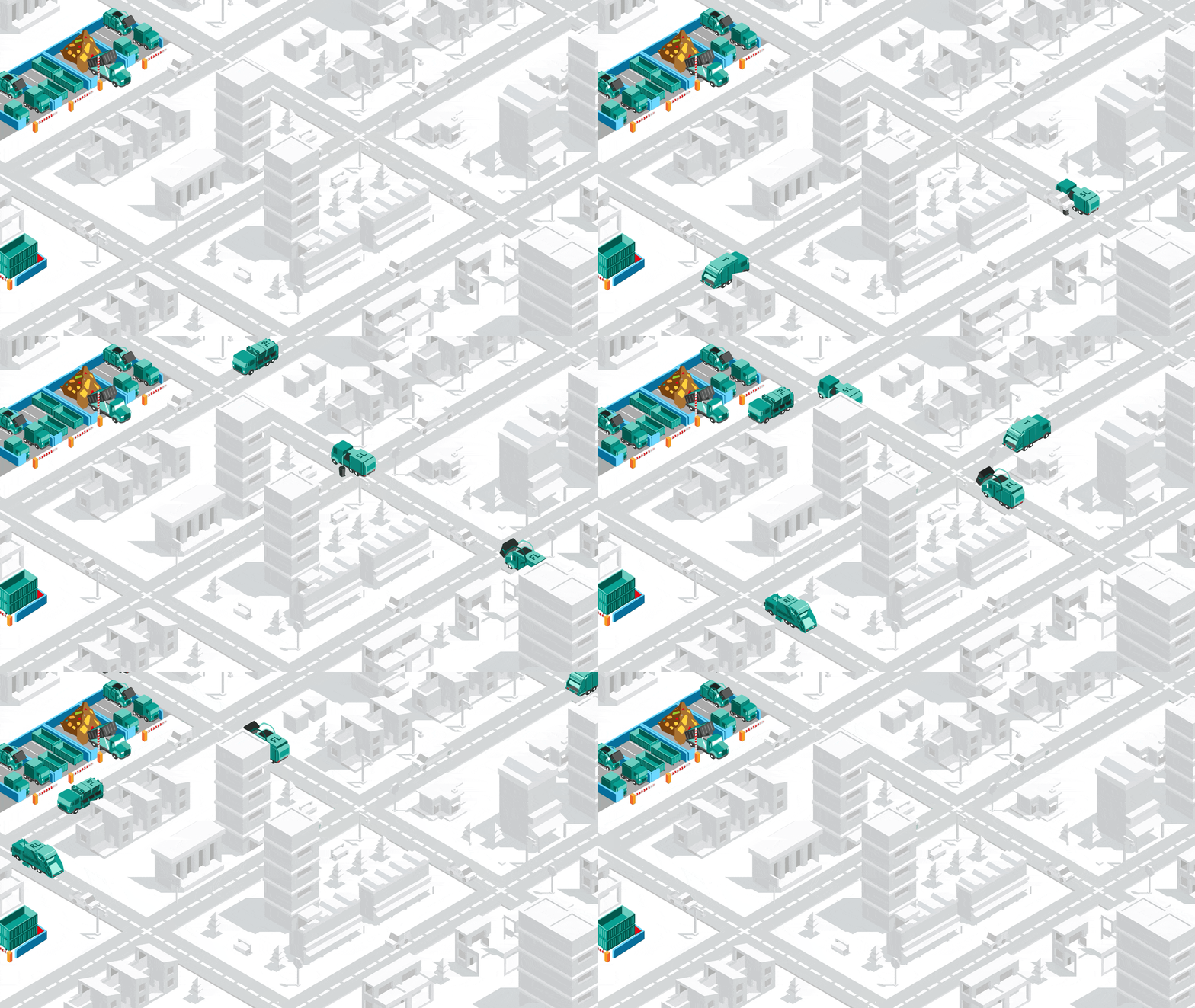
Waste and recycling, looked at from a distance, is a logistics problem with sustainability constraints: millions of pickup points, thousands of trucks, hundreds of municipalities, and a service expectation that doesn’t tolerate Sunday-morning misses. The bottleneck has never been the vehicles. It’s been the software orchestrating them.
Our client set out to fix that with a cloud-based platform open enough for enterprise haulers, accountable enough for government fleets, and transparent enough that the businesses, the cities, and the non-profits using it could trust the same numbers. We’ve been the engineering team building that platform, every layer of it, since the company started.
Inception to IPO
Most agency engagements end at “v1 ships.” Ours didn’t. We’ve stayed embedded through the seed round, the growth rounds, the geographic expansion, the platform rewrites, and the public listing. The application architecture has been rewritten in place more than once, and the engineers who wrote the first version are still the ones writing the next.
The suite covers three distinct buyers. They share infrastructure but not workflows.
For governments
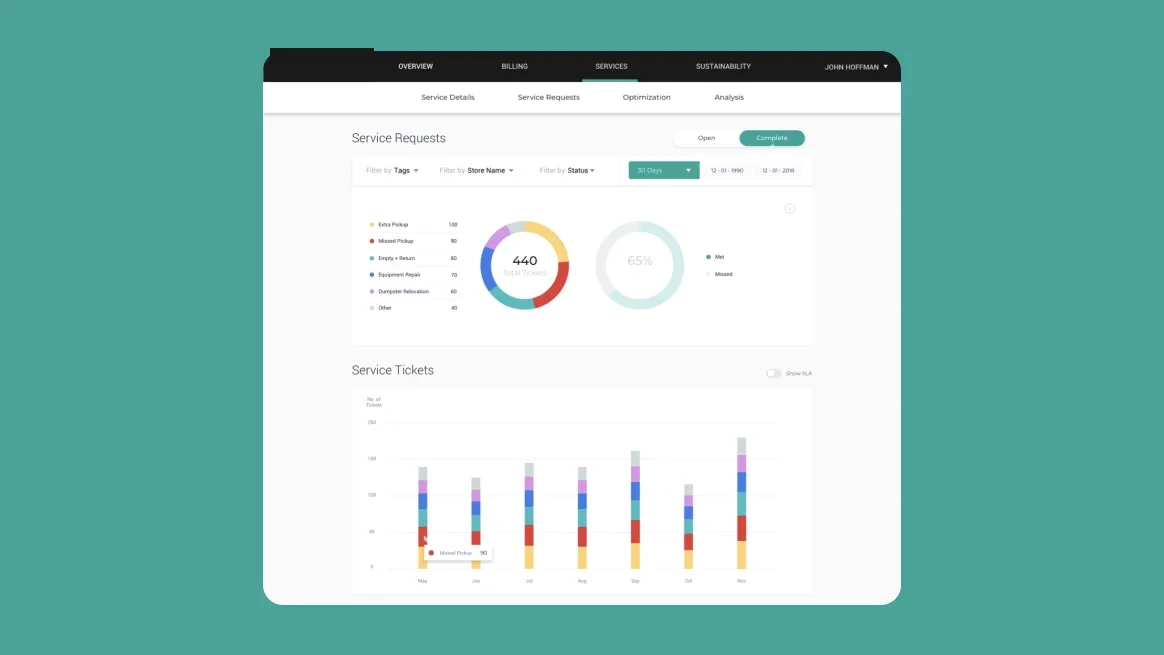
The smart-city product is the SaaS platform local governments deploy across their existing fleets. It surfaces the data municipalities have always wanted (actual route adherence, missed pickup rates, vehicle health, contamination flags) without forcing a fleet replacement to get there.
The cities running it report lower per-pickup costs, fewer service complaints, and a defensible baseline for sustainability reporting. It works across any fleet type the city already operates.
For enterprise
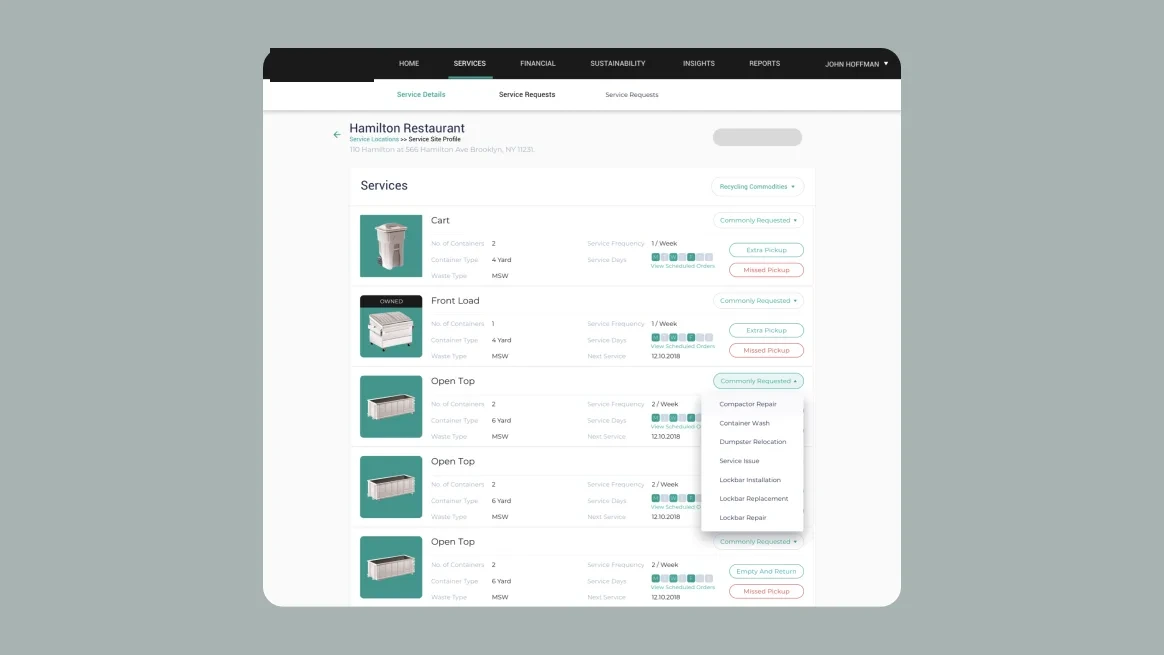
The enterprise product is what large multi-site businesses use to manage waste and recycling at scale. Centralised reporting, site-by-site benchmarking, automated invoice reconciliation, and a single source of truth for sustainability claims across the portfolio.
This is the surface that’s matured the fastest. Every release has gone toward making operations leads spend less time chasing haulers and more time acting on what the data shows.
For haulers
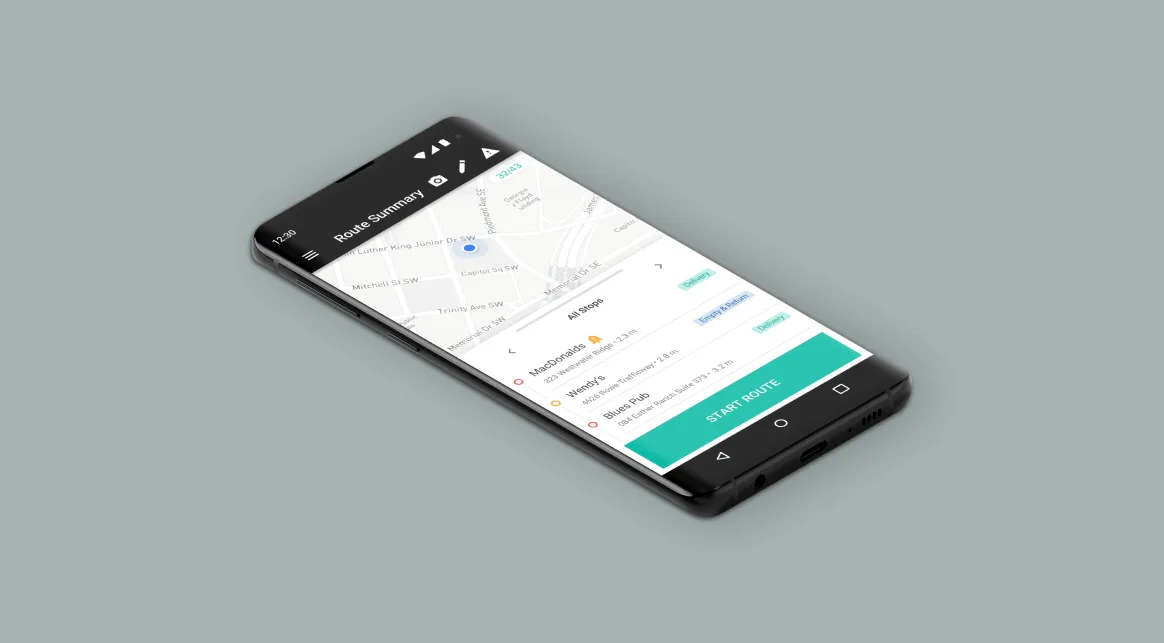
The hauler-facing suite is customisable, scalable, and built for the operations teams that actually drive the trucks. Dispatch, routing, customer accounts, billing, and a mobile experience for drivers that respects the realities of working in a cab.
Each of the three products is its own product, but they share a spine: the same identity layer, the same data model where it makes sense to, the same release cadence. New customers can adopt one product first, then layer in others as they grow into them.
How it’s built
The whole suite runs on Microsoft Azure, with .NET services on the backend and React on the front. The choice was deliberate at the start and has held up across a decade of rewrites: Azure’s regulated-industry posture matters for the government workloads, .NET’s stability matters for the enterprise SLAs, and React keeps the UI surface adaptable as the product line broadened.